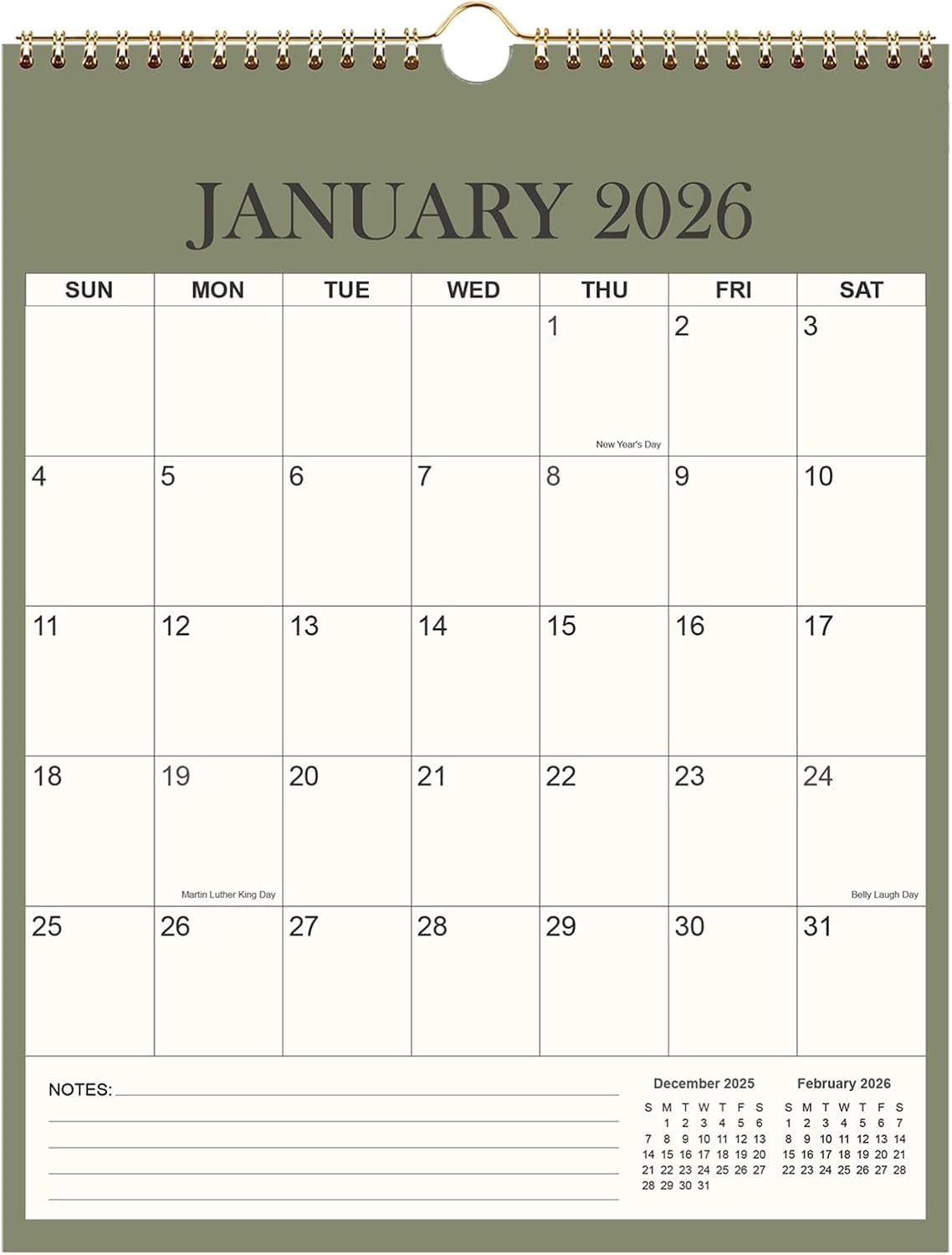

Planning for the hereafter is a crucial facet of both personal and professional life. Whether you're background goals for your career, fiscal preparation, or personal development, having a clear timeline can brand all the remainder. One mutual planning horizon is 9 months from June. This period can be pivotal for versatile reasons, from projection deadlines to personal milestones. Let's delve into how you can effectively plan and run your goals over this timeframe.
Understanding the Timeline
9 months from June translates to a significant ball of time, roughly equivalent to three quarters of a twelvemonth. This period can be low low into smaller, manageable segments to ensure that you check on racecourse. Here s a basic dislocation:
- Month 1 3 (June to August): Initial planning and execution stage.
- Month 4 6 (September to November): Mid term brushup and adjustments.
- Month 7 9 (December to February): Final push and completion.
Setting Clear Goals
Before dive into the planning process, it's essential to set clear, manageable goals. These goals should be particular, mensurable, achievable, relevant, and time bound (SMART). for example, if your goal is to consummate a project, fracture it low into smaller tasks with deadlines. Here s a simple guide to get you started:
| Goal | Specific Tasks | Deadline |
|---|---|---|
| Complete Project X | Research, Planning, Execution, Review | 3 months, 6 months, 9 months |
By context clear goals, you make a roadmap that guides your actions and keeps you motivated.
Creating a Detailed Plan
Once your goals are set, the next gradation is to create a detailed design. This program should include:
- Daily Tasks: Break low your goals into everyday tasks. This ensures that you are devising build every day.
- Weekly Milestones: Set weekly milestones to cartroad your advance. This helps in identifying any delays betimes on.
- Monthly Reviews: Conduct monthly reviews to assess your advance and brand necessary adjustments.
For instance, if your finish is to learn a new science, your casual tasks might include studying for an hour each day, while your weekly milestones could be completing a chapter or module. Monthly reviews would help you evaluate your reason and adjust your study design consequently.
Note: Regular reviews are essential for staying on track. They service you place what s workings and what inevitably melioration.
Executing the Plan
Execution is where the caoutchouc meets the road. Here are some tips to ensure successful execution:
- Stay Organized: Use tools same calendars, to do lists, and project direction software to stay unionized.
- Prioritize Tasks: Focus on high precedence tasks first. This ensures that the most important tasks are accomplished on time.
- Avoid Procrastination: Break boastfully tasks into littler, manageable parts to avoid cunctation.
- Seek Support: Don t waver to search support from colleagues, mentors, or friends when required.
for instance, if you re workings on a labor, use a project management tool to track tasks and deadlines. Prioritize tasks based on their importance and urging, and die them depressed into smaller tasks to brand them more manageable.
Monitoring Progress
Monitoring your progress is substantive to ensure that you check on rail. Here are some shipway to varan your progress:
- Track Daily Tasks: Keep a log of your casual tasks and sign them as completed.
- Review Weekly Milestones: At the end of each week, review your milestones and assess your progress.
- Conduct Monthly Reviews: Conduct a thoroughgoing review at the end of each month to evaluate your boilersuit advance and make necessary adjustments.
For instance, if you re scholarship a new skill, track your daily study sessions and review your progress at the end of each workweek. Conduct a monthly review to assess your understanding and shuffle any essential adjustments to your discipline plan.
Note: Use visual aids similar charts and graphs to cut your progress. This makes it easier to see your achievements and identify areas for improvement.
Adjusting the Plan
Even the best laid plans can go awry. It s important to be pliable and adjust your design as required. Here are some situations where you might need to aline your design:
- Unexpected Delays: If you encounter unexpected delays, adjust your timeline consequently.
- Changing Priorities: If your priorities change, re measure your goals and adapt your plan.
- New Opportunities: If new opportunities lift, consider how they fit into your design and shuffle adjustments as required.
for example, if you re working on a projection and confrontation unexpected delays, adjust your timeline to oblige the delays. If your priorities change, re measure your goals and conform your design consequently. If new opportunities arise, consider how they fit into your program and make adjustments as required.
Celebrating Milestones
Celebrating milestones is an authoritative partially of the planning process. It helps dungeon you motivated and focussed on your goals. Here are some ways to keep milestones:
- Acknowledge Achievements: Take a moment to acknowledge your achievements, no matter how small.
- Reward Yourself: Treat yourself to a wages when you range a important milestone.
- Share Your Success: Share your success with friends, class, or colleagues to get their support and encouragement.
For example, if you re learning a new skill, fete each chapter or module you complete. Treat yourself to a reward when you scope a significant milestone, such as complemental a naturally or passing an examination. Share your success with friends, family, or colleagues to get their support and encouragement.
Note: Celebrating milestones helps keep you motivated and focused on your goals. It s a great way to acknowledge your firmly work and achievements.
Reflecting on the Journey
Once you ve reached your goal, run some clip to shine on your journey. This reflectivity can leave valuable insights for future preparation. Here are some questions to regard:
- What Worked Well? Identify what worked well and why.
- What Could Be Improved? Identify areas for improvement and how you can speech them in the hereafter.
- What Did You Learn? Reflect on what you learned during the outgrowth and how it can be applied to future goals.
for instance, if you accomplished a projection, muse on what worked good and what could be improved. Identify any lessons erudite and how they can be applied to future projects. This reflection can assist you plan more efficaciously in the future.
Reflecting on your journeying is an crucial partially of the provision process. It helps you identify what worked good and what could be improved, providing valuable insights for future preparation.
Planning for 9 months from June involves mount clear goals, creating a elaborated design, executing the program, monitoring progress, adjusting the design as required, celebrating milestones, and reflecting on the journey. By undermentioned these stairs, you can efficaciously program and action your goals over this timeframe, ensuring that you check on track and achieve your objectives. This integrated approach not only helps in achieving abruptly term goals but also sets a foundation for short term succeeder. The key is to stay organized, flexible, and motivated throughout the process.
Related Terms:
- 9 months earlier june
- 9 months from july
- 9 months from march
- 9 months from june 2025
- 9 months from september
- 9 months from may