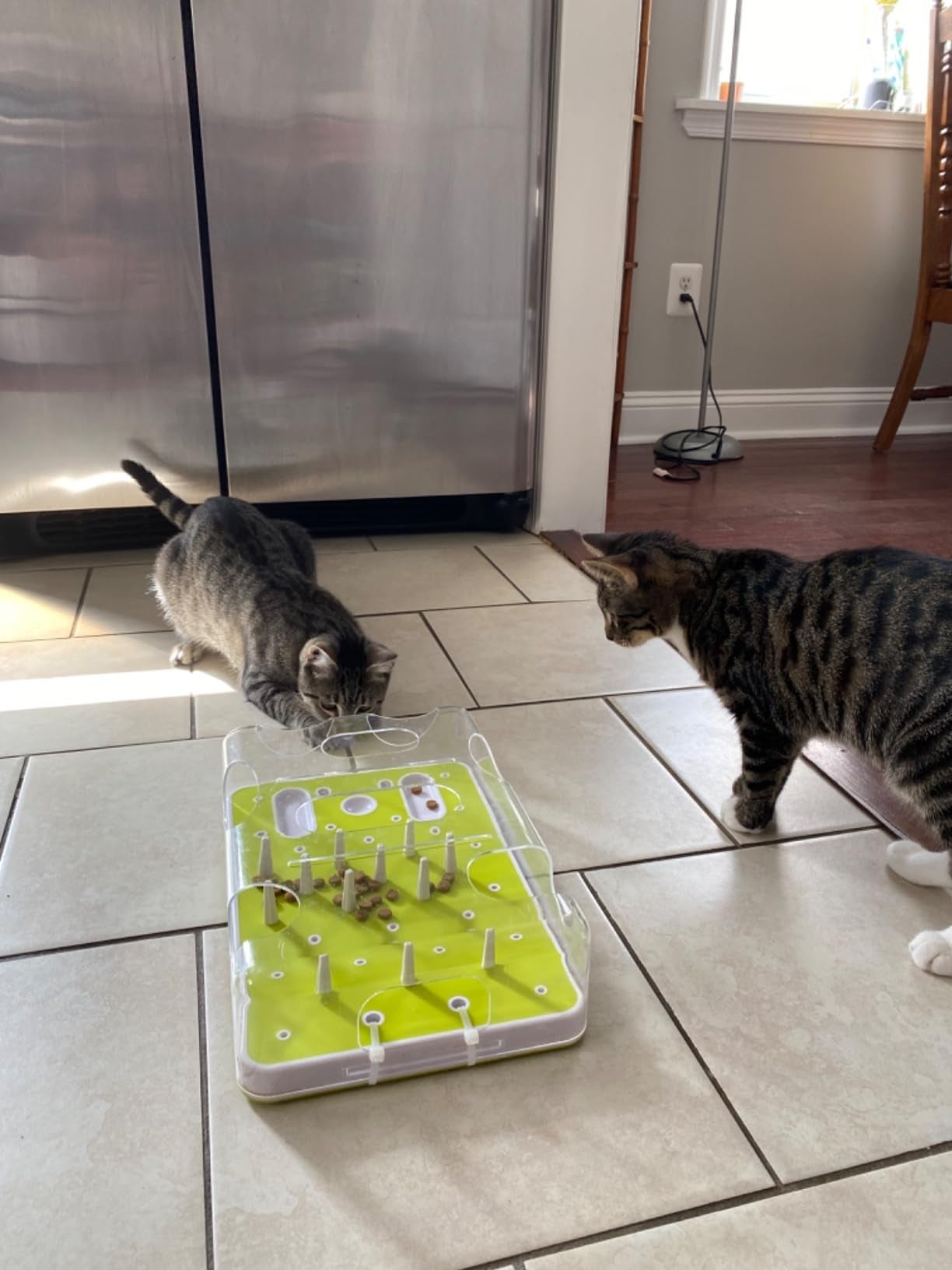

Cat pawing at the flooring is a behavior that captures both curio and care among cat owners. This rhythmic motion where a cat s paws rhythmically wardrobe, scratching, or tap against firmly surfaces often appears out of nowhere, leaving owners wondering what drives such a repetitious action. While it may look like a elementary habit, cat pawing at the level can signal a range of instincts, emotions, and yet health related concerns. Understanding why cats engage in this behavior helps owners reply appropriately, whether by enriching their environment or addressing rudimentary needs. From marking territory to expressing foiling, this vulgar feline motion carries deeper meaning below its surface ease.
One of the most natural explanations for cat pawing at the level lies in instinctual behavior. Cats are posterity of wild felines whose survival depended on sharpening physical and sensational skills. Scratching and pawing help assert hook health, settle idle nail layers, and reward muscularity storage. In domestic settings, this behavior frequently persists because the level provides an idealistic surface flat, stable, and accessible for practicing these essential movements. Observing the pattern whether quick taps or prolonged kneading can expose whether the cat is simply preparation or actively preparing for movement.
| Common Triggers of Pawing Behavior | Explanation |
|---|---|
| Territory Marking | Cats have scent glands in their paws; pawing releases pheromones that claim blank |
| Stress or Anxiety | Repetitive pawing may reflect discomfort, especially during environmental changes |
| Boredom or Lack of Stimulation | Insufficient mental or forcible activity leads to redirected behaviors |
| Prey Instinct Activation | Movement mimics hunt pawing simulates capturing target in loosely basis |
| Physical Discomfort | Joint hurting or paw irritation might drive pawing as a ego soothing response |
| Observe context and frequency | Note if pawing occurs after quiet periods or during tension |
| Check environment for triggers | Ensure no new objects or changes stimulate anxiety |
| Provide enrichment | Toys, climbing structures, and interactive play shrink boredom |
Another key ground slow cat pawing at the floor is territorial marking. Cats have scent glands embedded in their paw pads, and when they pressing their paws into surfaces, they deposit pheromones that communicate possession and security. This behavior is peculiarly detectable when a cat paws near doorways, furniture edges, or preferred resting floater. It s a elusive way of expression, This is mine. For multi cat households, pawing may escalate during transitions or imagination competition, signaling the necessitate for balanced place and care.
Stress and anxiety oft manifest through repetitive behaviors like pawing. When cats face unfamiliar situations such as moving homes, new pets, or loud noises their neural system may induction compulsive actions as a coping mechanics. A cat repeatedly pawing at the floor might be trying to self comfort or regain restraint over a stressful environs. Recognizing this pattern allows owners to create calmer spaces, offer puff, and gradually acclimate the cat to variety.
Some cats paw at the floor due to forcible discomfort. Arthritis, paw injuries, or stick stiffness can make floor contact painful, prompting the cat to avoid or alter how they interact with surfaces. Watching for signs like limping, reduced activity, or sensibility when affecting paws helps identify medical causes early. A vet visit ensures right charge and prevents chronic issues from deterioration.
Environmental enrichment plays a vital character in reduction unwanted pawing. Cats boom on input climb, scratch, concealment, and exploring. Without outlets, they may redirect energy into insistent level pawing. Providing perpendicular spaces, scratch posts, mystifier feeders, and regular swordplay sessions channels natural instincts bloody. A good stimulated cat is less likely to engage in destructive or uneasy pawing.
Not all pawing is problematic some instances reverberate healthy curiosity. Kittens, for instance, often paw at loosely surfaces while erudition centrifugal coordination. Adult cats may tap gently while resting, testing equilibrium or scoring mien. Distinguishing betwixt pattern exploration and concerning behavior requires attention to frequence, intensity, and attendant signs comparable vocalization or aggression.
Owners should admonisher pawing patterns nearly. Is it occasional or constant? Gentle or emphatic? Does it pass in specific contexts? Tracking these details helps shape if the behavior stems from replete, emotion, or discomfort. Small adjustments adding a new toy, rearranging furniture, or consulting a master can significantly improve a cat s well being.
While cat pawing at the level frequently reflects rude feline instincts, it can also signal deeper emotional or physical needs. By observing context, maintaining a stimulating environment, and staying heedful to changes, owners surrogate fitter, happier cats. Understanding this behavior transforms enigmatic moments into opportunities for connective and care, strengthening the bond betwixt human and felid familiar.
Related Terms:
- cat paws at the floor