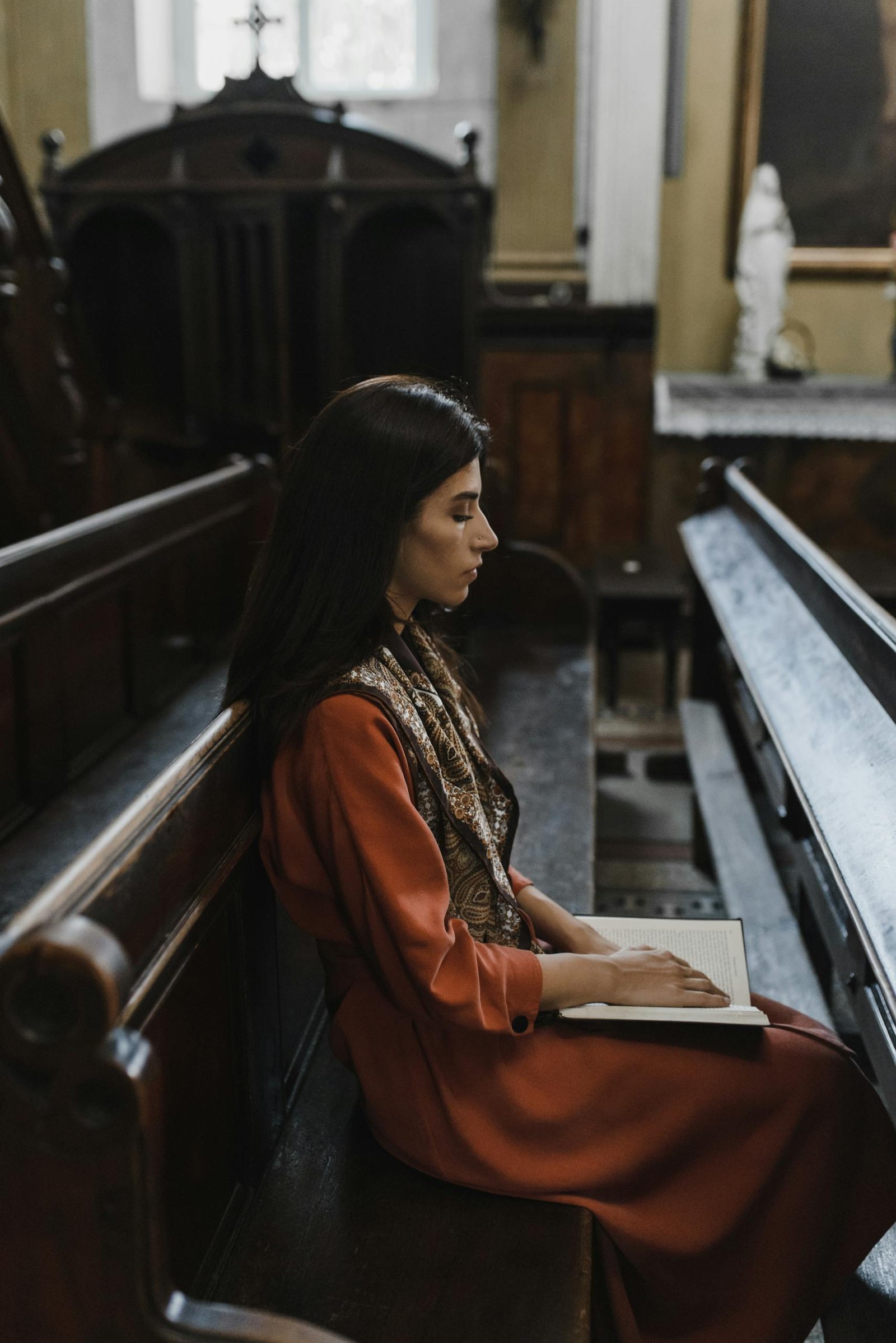

Understanding the differences betwixt respective Christian denominations can be a fascinating journey into the ample arras of trust and feeling. Two prominent denominations that much semen up in discussions are Catholic and Baptist. While both contribution a common initiation in Christianity, their practices, beliefs, and organizational structures dissent significantly. This exploration will dig into the key aspects of the Catholic vs. Baptist debate, highlighting their unique characteristics and historic contexts.
Historical Background
The Catholic Church traces its origins rearwards to the betimes Christian community established by Jesus Christ and his apostles. The term "Catholic" comes from the Greek word "katholikos", pregnant "general". The Catholic Church has a uninterrupted account dating back to the first century AD, with the Pope portion as the unearthly leader and replacement to Saint Peter, one of Jesus' apostles.
The Baptist denomination, conversely, emerged much subsequently, during the 17th hundred. Baptists are known for their emphasis on believer's baptism, which way that baptism is administered only to individuals who have made a personal confession of faith. The Baptist movement began in England and dispersed to America, where it played a pregnant role in the religious landscape, particularly during the Great Awakening.
Beliefs and Doctrines
One of the most noteworthy differences betwixt Catholics and Baptists lies in their beliefs and doctrines. Catholics adhere to a set of doctrines established by the Church over centuries, including the authority of the Pope, the veneration of saints, and the sacraments. Baptists, notwithstanding, property a firm emphasis on the Bible as the sole authority for faith and pattern, a rule known as sola scriptura.
Here are some key doctrinal differences:
| Aspect | Catholic | Baptist |
|---|---|---|
| Authority | Pope and Church Tradition | Bible Alone |
| Baptism | Infant Baptism | Believer's Baptism |
| Sacraments | Seven Sacraments | Two Ordinances (Baptism and Communion) |
| Veneration of Saints | Yes | No |
| Purgatory | Yes | No |
These differences muse the discrete theological frameworks of the two denominations. Catholics believe in the intercession of saints and the creation of purgatory, a state of purgation for souls earlier entering heaven. Baptists, however, cull these concepts, focusing alternatively on the direct relationship between the private and God through faith in Jesus Christ.
Worship and Liturgical Practices
The worship styles of Catholics and Baptists also dissent importantly. Catholic adoration is characterized by its liturgical nature, with a structured format that includes the Mass, which consists of the Liturgy of the Word and the Liturgy of the Eucharist. The Mass is celebrated in churches adorned with religious art and symbols, and the liturgy is frequently conducted in Latin or the local nomenclature.
Baptist adoration, in contrast, is mostly more informal and varied. Services often include a mix of hymns, contemporary worship songs, and sermons. The stress is on the sermon of the Word and the personal experience of trust. Baptist churches may have a more modest interior design, with an stress on ease and functionality.
Here are some key differences in worship practices:
- Catholic: Structured liturgy, Mass, use of exasperate, candles, and spiritual art.
- Baptist: Informal worship, varied medicine styles, emphasis on preaching and personal religion.
These differences in adoration styles reverberate the broader theological and cultural contexts of the two denominations. Catholics place a strong stress on tradition and rite, while Baptists prioritize personal trust and biblical commandment.
Church Governance and Structure
The organizational structures of Catholic and Baptist churches also differ significantly. The Catholic Church is hierarchal, with the Pope at the question, followed by cardinals, bishops, priests, and deacons. This construction ensures a coordinated doctrine and practice across the spherical Church.
Baptist churches, conversely, are typically congregational in administration. Each local church is autonomous, with decisions made by the fold or a plank of elders. This structure allows for greater flexibility and diversity within the Baptist designation, as each church can tailor its practices to the inevitably of its community.
Here are some key differences in church establishment:
- Catholic: Hierarchical construction with the Pope at the head.
- Baptist: Congregational governance with each church autonomous.
These differences in governance reflect the distinct approaches to authority and decision making within the two denominations. Catholics rate a centralised authority to wield doctrinal single, while Baptists prioritize local liberty and community liaison.
Sacraments and Ordinances
Sacraments and ordinances are primal to the spiritual practices of both Catholics and Baptists, but they differ in their understanding and implementation. Catholics realise seven sacraments: Baptism, Confirmation, Eucharist, Penance, Anointing of the Sick, Holy Orders, and Matrimony. These sacraments are seen as channels of grace and are administered by prescribed clergy.
Baptists, however, acknowledge only two ordinances: Baptism and the Lord's Supper (Communion). These ordinances are seen as emblematic acts of obedience to Christ's commands and are administered to believers who have made a personal confession of religion. Baptists practice believer's baptism, which is typically by absorption, and the Lord's Supper is often celebrated in a more informal background.
Here are some key differences in sacraments and ordinances:
- Catholic: Seven sacraments administered by ordained clergy.
- Baptist: Two ordinances (Baptism and Communion) administered to believers.
These differences in sacraments and ordinances muse the discrete theological and liturgical practices of the two denominations. Catholics scene sacraments as substantive substance of grace, while Baptists see ordinances as symbolic acts of religion and obedience.
Note: The condition "sacrament" is used by Catholics to convey a hallowed ritual or ceremony, while Baptists use the condition "dictate" to emphasize the emblematic nature of these practices.
Role of the Bible
The function of the Bible is central to both Catholic and Baptist faith, but their approaches to scripture differ. Catholics view the Bible as one of several sources of authority, along with Church custom and the teachings of the Pope. The Catholic Bible includes the deuterocanonical books, which are not recognized by Protestants.
Baptists, however, home a strong emphasis on the Bible as the sole agency for faith and practice. They stick to the principle of sola scriptura, which way "scripture alone". Baptists use the Protestant Bible, which excludes the deuterocanonical books, and read scripture through the lense of personal faith and the guidance of the Holy Spirit.
Here are some key differences in the role of the Bible:
- Catholic: Bible as one of several sources of authority, includes deuterocanonical books.
- Baptist: Bible as the sole authority for faith and drill, excludes deuterocanonical books.
These differences in the persona of the Bible muse the distinguishable theological frameworks of the two denominations. Catholics value the interplay betwixt scripture, tradition, and Church agency, while Baptists prioritize the straight reading of scripture through personal faith.
Community and Social Engagement
Both Catholics and Baptists are actively involved in community and societal engagement, but their approaches and priorities dissent. Catholics have a retentive account of involvement in societal judge issues, education, and healthcare. The Catholic Church operates numerous schools, hospitals, and charitable organizations around the worldwide, reflecting its loyalty to service the short and marginalized.
Baptists also engage in community service and societal judge, frequently through local churches and denominational organizations. They place a inviolable emphasis on evangelism and missionary study, quest to dispersed the Gospel and support Christian communities internationally. Baptists are known for their involvement in education, with many Baptist colleges and universities.
Here are some key differences in community and social engagement:
- Catholic: Strong stress on societal judge, pedagogy, and healthcare.
- Baptist: Emphasis on evangelism, missional employment, and education.
These differences in community and social employment shine the distinct priorities and values of the two denominations. Catholics focus on holistic service to the community, while Baptists prioritize evangelism and the spread of the Gospel.
! [Catholic Church] (https: upload. wikimedia. org wikipedia commons pollex 4 4c St. _Peter 27s_Basilica 2C_Vatican_City_ _April_2007. jpg 1280px St. _Peter 27s_Basilica 2C_Vatican_City_ _April_2007. jpg)
! [Baptist Church] (https: upload. wikimedia. org wikipedia commons pollex 6 6f Baptist_Church_in_New_Orleans. jpg 1280px Baptist_Church_in_New_Orleans. jpg)
These images illustrate the discrete architectural and ethnic contexts of Catholic and Baptist churches, reflecting their unique histories and theological frameworks.
In summary, the Catholic vs. Baptist moot highlights the fat diversity inside Christianity. While both denominations share a common foundation in religion, their beliefs, practices, and organizational structures dissent importantly. Understanding these differences can deepen our appreciation for the complexity and beauty of the Christian faith, as good as foster greater dialogue and common deference betwixt different Christian communities.