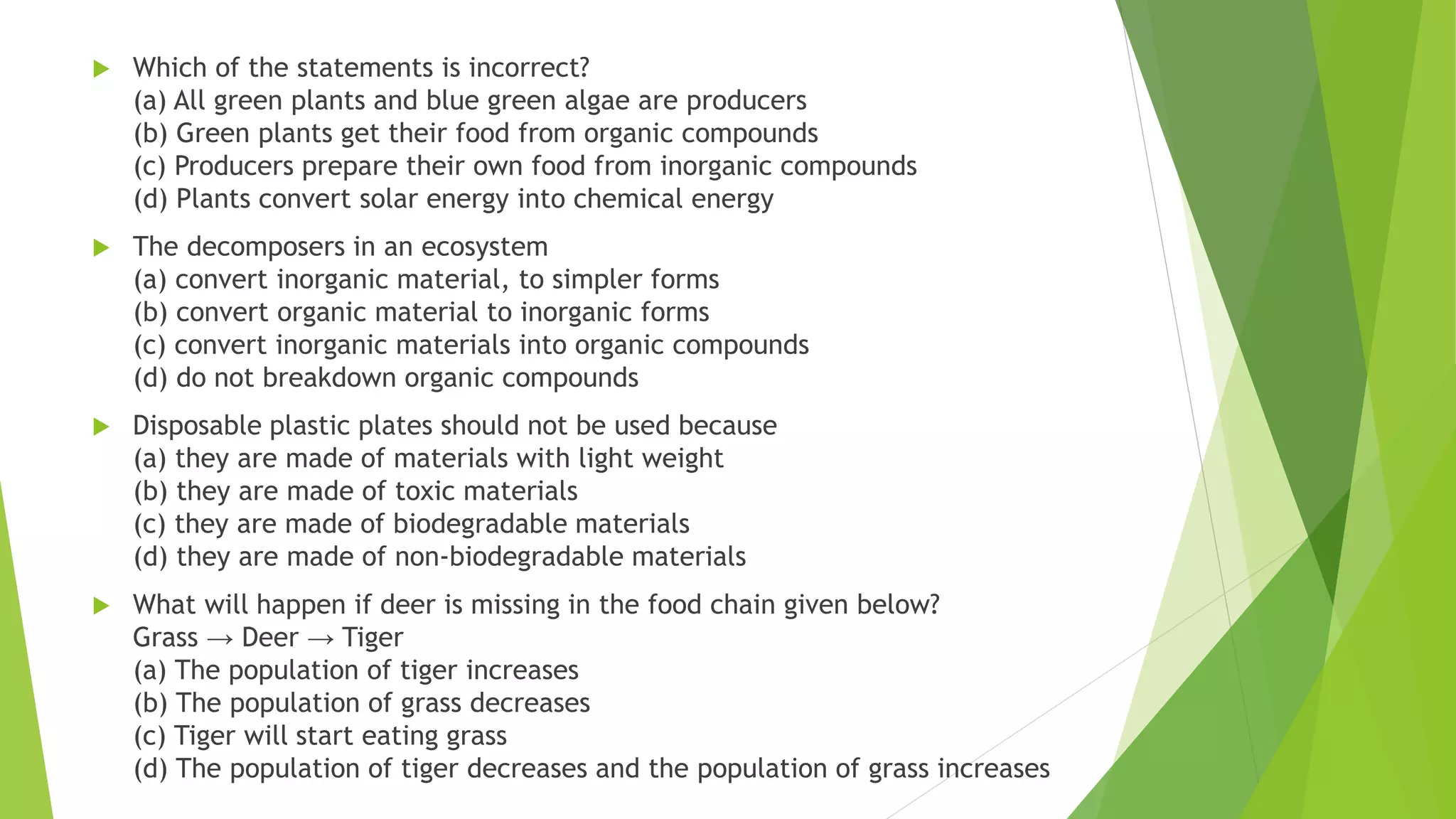

Algae are a divers group of organisms that fun a crucial role in assorted ecosystems. They are often associated with aquatic environments, where they give to the food chain and oxygen production. However, one interrogative that frequently arises is: Is alga a decomposer? This question delves into the ecologic roles of algae and their interactions within ecosystems. To empathize this, we postulate to explore the different types of algae, their functions, and their bionomic significance.
Understanding Algae
Algae are photosynthetic organisms that can image from microscopical, single celled organisms to large, multicellular seaweeds. They are base in a form of habitats, including freshwater, nautical, and even sublunar environments. Algae are classified into several groups based on their characteristics, such as:
- Green algae (Chlorophyta)
- Red algae (Rhodophyta)
- Brown alga (Phaeophyceae)
- Diatoms (Bacillariophyta)
- Dinoflagellates (Dinophyta)
Each of these groups has alone features and ecological roles. For example, green algae are often found in freshwater environments and are tight related to realm plants. Red algae are preponderantly nautical and are known for their role in coral reef ecosystems. Brown alga, such as kelp, are boastfully seaweeds that form submerged forests and provide habitat for many nautical species.
The Role of Algae in Ecosystems
Algae play multiple roles in ecosystems, primarily as primary producers. They convert sunlight into chemic zip through photosynthesis, serving as the base of the nutrient chain. This outgrowth not only supports the growth of herbivores but also contributes to the boilersuit health of the ecosystem by producing oxygen. However, the doubt of whether alga are decomposers requires a deeper feeling into their ecologic functions.
Is Algae a Decomposer?
To determine if algae are decomposers, we need to empathize what decomposers are. Decomposers are organisms that break mastered idle constitutional thing, converting it into simpler substances that can be recycled back into the ecosystem. Examples of decomposers include bacterium, fungi, and sure types of invertebrates. These organisms play a critical character in nutrient cycling and soil health.
Algae, conversely, are primarily producers. They do not actively break downward idle constitutional subject. Instead, they produce organic issue through photosynthesis. However, there are some instances where alga can indirectly contribute to decomposition. for example, when algae die, their remains can be impoverished down by decomposers, cathartic nutrients back into the ecosystem. This process is known as detritus based nutrient webs, where idle organic matter (detritus) serves as a nutrient germ for various organisms.
In some cases, sealed types of algae, such as diatoms, can course biofilms on surfaces. These biofilms can trap and decompose organic matter, conducive to the boilersuit decomposition operation. However, this is not a primary affair of algae and is more of a secondary core.
Ecological Significance of Algae
Despite not being primary decomposers, algae have pregnant ecological importance. Their persona as basal producers is crucial for the health and sustainability of many ecosystems. Here are some key points highlighting their ecologic import:
- Oxygen Production: Algae contribute significantly to the Earth's oxygen supply through photosynthesis. They are creditworthy for a large share of the oxygen produced in aquatic environments.
- Food Source: Algae service as a nutrient source for many aquatic organisms, including fish, crustaceans, and mollusks. They form the humble of the food chain in many aquatic ecosystems.
- Nutrient Cycling: Although alga are not main decomposers, their function in nutrient cycling is indirect but substantive. When algae die, their stiff are rugged low by decomposers, cathartic nutrients back into the ecosystem.
- Habitat Provision: Large algae, such as kelp, provide habitat and protection for various nautical species. These submerged forests documentation a various range of organisms and contribute to biodiversity.
In compact, while alga are not primary decomposers, their bionomic roles are multifaceted and essential for the health of many ecosystems. Their primary procedure as producers and their collateral contributions to alimental cycling make them invaluable components of aquatic and planetary environments.
Algae in Aquatic Ecosystems
Algae are particularly abundant in aquatic ecosystems, where they maneuver a pivotal role in maintaining bionomical proportionality. In freshwater environments, alga can be plant in lakes, rivers, and ponds, contributing to the overall health of these water bodies. In nautical environments, algae form vast subaquatic forests and sustenance a divers chain of nautical life.
One notable example is the use of algae in coral reefs. Coral reefs are complex ecosystems that rely on the symbiotic relationship between corals and algae. The algae, known as zooxanthellae, live inside the coral tissues and provide the coral with nutrients through photosynthesis. In homecoming, the coral provides the algae with a saved environment and access to sunlight. This symbiotic kinship is crucial for the health and selection of coral reefs.
However, the balance between algae and other organisms in aquatic ecosystems can be disrupted by various factors, such as befoulment, nutrient runoff, and clime modification. Excessive alimental stimulation, for instance, can leave to algal blooms, which can exhaust oxygen levels and harm aquatic life. Understanding the dynamics of alga in these ecosystems is essential for their preservation and management.
Algae in Terrestrial Ecosystems
While algae are more commonly associated with aquatic environments, they also play a role in tellurian ecosystems. Lichens, for example, are symbiotic associations betwixt alga and fungi. These organisms can outlive in harsh environments, such as deserts and rocky surfaces, and give to dirt formation and alimental cycling.
In accession, certain types of alga can be found in land, where they give to the decay of organic matter. Although they are not elemental decomposers, their comportment can raise the action of other decomposers, such as bacteria and fungi, by providing a food source and improving soil construction.
Algae in terrestrial ecosystems also drama a persona in carbon segregation. Through photosynthesis, algae plunge carbon dioxide from the ambience and convert it into organic matter. This summons helps mitigate the effects of climate change by reduction atmospheric carbon dioxide levels.
Algae and Human Health
Algae have legion applications in human health and well being. They are a productive source of nutrients, including vitamins, minerals, and essential fat acids. Some species of alga, such as spirulina and chlorella, are commonly secondhand as dietetical supplements due to their richly nutritionary rate.
Algae are also secondhand in the production of various pharmaceuticals and cosmetics. for example, algal extracts are used in skincare products for their moisturizing and anti aging properties. Additionally, alga are being explored for their likely in developing new drugs and treatments for respective diseases.
In the aesculapian field, algae are confirmed in the production of sure vaccines and antibiotics. For example, some species of algae produce compounds that have antimicrobic properties, qualification them useful in the growing of new antibiotics.
Algae and Environmental Conservation
Algae play a crucial role in environmental conservation efforts. Their ability to engage carbon dioxide and produce oxygen makes them valuable in mitigating the effects of climate change. Algae based technologies, such as algal biofuels and algal bioreactors, are being developed to tighten carbon emissions and promote sustainable push production.
Algae are also used in wastewater treatment to settle pollutants and nutrients from weewee. This process not only improves water caliber but also reduces the environmental wallop of effluent liberation. Additionally, alga can be used in the redress of polluted soils and sediments, serving to restore degraded ecosystems.
In nautical environments, algae are indispensable for the preservation of coral reefs and other sensitive ecosystems. Protecting algal populations and their habitats is crucial for maintaining the health and biodiversity of these ecosystems.
In summary, alga are various organisms with numerous applications in homo health, environmental preservation, and sustainable evolution. Their ecological roles and benefits brand them invaluable components of both natural and managed ecosystems.
Note: While algae are not elementary decomposers, their collateral contributions to alimental cycling and ecosystem health are pregnant. Understanding their roles and interactions inside ecosystems is essential for their preservation and sustainable use.
to resume, algae are fascinating organisms with diverse ecological roles and applications. While the inquiry of whether algae are decomposers has a clearly response no, they are not primary decomposers their importance in ecosystems cannot be overdone. From their role as elementary producers to their contributions to alimental cycling and environmental preservation, alga caper a lively part in maintaining the health and sustainability of versatile ecosystems. Their versatility and benefits make them valuable components of both natural and managed environments, highlight the involve for their preservation and sustainable use.
Related Terms:
- what is decomposers in ecosystem
- is alga a consumer
- decomposer examples biota
- examples of decomposers in ecosystem
- delineate decomposers in biota
- why is alga a producer