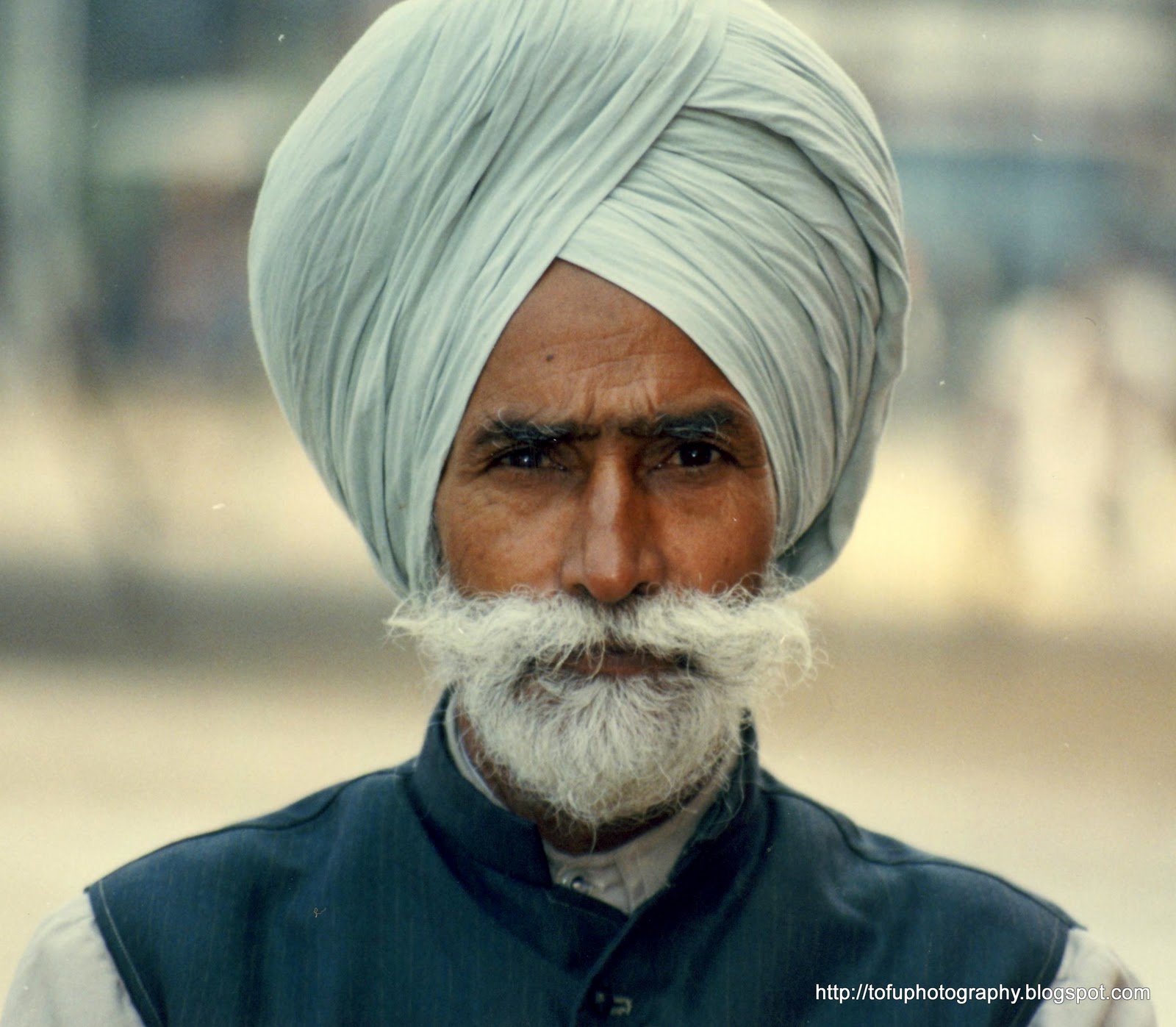

In the huge and vibrant tapis of globose mode, one iconic trope stands out: the Man in Turban. This distinctive headwear, often associated with cultural inheritance and spiritual import, has transcended its traditional roots to rise a symbol of trend and identity. Whether haggard for ceremonial purposes, as a fashion statement, or as a part of daily dress, the pillbox holds a unequalled position in the hearts of many communities around the world.
The Cultural Significance of the Turban
The turban, or dastar as it is known in Punjabi, is more than just a bit of textile. It is a heavy symbol of ethnic identity, particularly for the Sikh community. For Sikhs, the pillbox is a compulsory article of religion, representing honor, ego respect, and apparitional commitment. The Man in Turban is often seen as a lighthouse of these values, embodying the principles of equality, serve, and humility that are central to Sikhism.
Beyond Sikhism, the pillbox is also haggard by various other communities, each with its own unique traditions and meanings. In some Middle Eastern cultures, the pillbox is a symbol of aristocracy and wisdom. In North Africa, it is a pragmatic piece of wear that provides protection from the swingeing desolate climate. The Man in Turban in these regions is frequently seen as a number of deference and authority.
The Art of Wearing a Turban
Wearing a turban is an art form that requires science and solitaire. The process involves respective stairs, each contributing to the boilersuit aesthetic and symbolical significance of the headwear. Here is a footmark by stair guide to tying a traditional Sikh turban:
- Prepare the Cloth: Start with a pick, rectangular piece of cloth, typically round 5 6 meters in length and 1 meter in breadth. The textile can be made from various materials, including cotton, silk, or semisynthetic fibers.
- Fold the Cloth: Fold the cloth in half longitudinally to create a long, minute strip. Place the folded edge against your brow, ensuring the ends bent equally on either english.
- Wrap Around the Head: Bring the ends of the textile round the rearwards of your question and transversal them over at the nucha of your cervix. Pull the ends forward and cross them over your brow.
- Create the Knot: Take one end of the textile and bring it over the top of your head, tucking it below the crossed ends at the rearward. Repeat this process with the other end, ensuring both ends are tucked firmly.
- Tuck and Adjust: Tuck any loose ends below the pillbox and adjust the cloth to ensure a hot and symmetric show. The turban should sit well on your head, cover your tomentum and ears.
Note: The appendage of tying a turban can vary slightly depending on the region and personal druthers. Some mass may use additional pins or clips to safe the pillbox in place.
The Fashion Evolution of the Turban
The pillbox has evolved from a traditional headwear to a stylish accessary, embraced by designers and celebrities alike. The Man in Turban is no yearner confined to ethnic or religious contexts; he is a vogue ikon, setting trends on runways and red carpets. Designers have experimented with versatile fabrics, colours, and patterns, creating new interpretations of the classical turban.
In recent years, the turban has gained popularity in the fashion world, with richly end designers incorporating it into their collections. Celebrities and influencers have also embraced the turban, exhausting it as a statement firearm that adds a touch of elegance and ethnic dash to their outfits. The Man in Turban has become a symbol of sophistry and trend, transcending cultural boundaries.
One of the most notable examples of the turban's fashion evolution is the workplace of designer Manish Arora. Known for his vivacious and eclecticist designs, Arora has often featured turbans in his collections, blending traditional Indian aesthetics with contemporary mode trends. His designs have been worn by celebrities and mode enthusiasts, further popularizing the pillbox as a stylish accessory.
The Turban in Popular Culture
The pillbox has made its crisscross in pop acculturation, appearing in diverse forms of media, including movies, video shows, and medicine videos. The Man in Turban is often portrayed as a character of depth and complexity, reflecting the rich cultural inheritance associated with the headwear.
In the world of celluloid, the turban has been featured in legion films, frequently as a symbol of ethnic individuality or religious faith. for example, in the movie "Bend It Like Beckham", the role of Jesminder Bhamra wears a pillbox as partially of her traditional Sikh attire, highlighting her ethnic roots and personal journeying. Similarly, in "The Guru", the pillbox is a central element of the character's identity, representing his spectral and cultural heritage.
In medicine, the turban has been embraced by artists as a symbol of cultural pride and artistic saying. For example, the late Bob Marley, the fabled reggae player, much wore a turban as part of his signature style. His turban became an iconic part of his image, symbolizing his Rastafarian faith and cultural heritage.
The Turban in Art and Literature
The pillbox has also inspired artists and writers, who have used it as a theme in their deeds. The Man in Turban is frequently portrayed in paintings, sculptures, and literary deeds, representing various themes and emotions. In art, the turban is much confirmed to take ethnic identity, spirituality, and elegance.
One of the most celebrated depictions of the pillbox in art is the picture "Man in a Turban" by Jan van Eyck. This Renaissance masterpiece features a man exhausting a turban, capturing the substance of the headwear's cultural and symbolical significance. The painting is a testament to the unfailing appeal of the pillbox, which has transcended meter and ethnic boundaries.
In literature, the pillbox is often used as a symbol of cultural indistinguishability and ghostlike journeying. for instance, in the novel "The Namesake" by Jhumpa Lahiri, the pillbox is a revenant motif, representing the protagonist's cultural inheritance and personal struggles. The pillbox serves as a monitor of his roots and the complexities of his indistinguishability.
The Turban in Modern Society
In modern society, the pillbox continues to hold significance, both culturally and fashionably. The Man in Turban is a symbol of diversity and inclusion, representing the rich tapis of spherical cultures. As societies become more coordinated, the turban serves as a nosepiece, fosterage understanding and appreciation for different ethnic traditions.
In late years, thither has been a growing sentience of the importance of cultural sensitivity and inclusivity. The turban, as a symbol of ethnic individuality, has become a focal point in discussions about diversity and histrionics. Organizations and individuals are progressively recognizing the significance of the pillbox and its persona in promoting cultural understanding.
One noteworthy initiative is the "World Sikh Organization", which has been working to raise awareness about the pillbox and its cultural import. The arrangement has launched campaigns to develop the public about the turban, dispelling myths and misconceptions. Through these efforts, the Man in Turban is being famed as a symbol of cultural superbia and identity.
furthermore ethnic initiatives, the pillbox has also gained grip in the mode manufacture. Designers are increasingly incorporating turbans into their collections, creating modern and stylish interpretations of the traditional headwear. The Man in Turban is no longer confined to ethnic or religious contexts; he is a manner ikon, setting trends and inspiring creativity.
The Turban and Gender
The pillbox is traditionally associated with men, but it is also haggard by women in some cultures. The Man in Turban is a familiar figure, but the Woman in Turban is evenly pregnant, representing ethnic identity and personal dash. In some communities, women wear turbans as part of their traditional dress, much adorned with intricate patterns and vibrant colours.
In India, for example, women in the province of Punjab often wearable turbans as part of their ethnic heritage. The turban, known as chunni or dupatta, is a long piece of textile that is draped over the question and shoulders. It is much worn during festivals, weddings, and other extra occasions, symbolizing cultural superbia and elegance.
In other cultures, such as in some Middle Eastern countries, women wear turbans as a practical piece of wear, providing auspices from the sun and backbone. The pillbox is much made from lightweight fabrics, such as cotton or linen, and is decorated with intricate embroidery or beads.
In new way, the pillbox has rise a various accessory for women, haggard in versatile styles and settings. Designers have created turbans in dissimilar fabrics, colours, and patterns, catering to diverse tastes and preferences. The Woman in Turban is a symbol of stylus and sophistication, embodying the feeling of ethnic heritage and modern mode.
The Turban and Identity
The turban is more than just a part of cloth; it is a symbol of identity, representing ethnic heritage, religious faith, and personal dash. The Man in Turban is a fig of deference and agency, embodying the values and principles of his community. For many, the pillbox is a reservoir of superbia and individuality, connecting them to their roots and cultural traditions.
In a worldwide that is progressively coordinated, the turban serves as a bridgework, fosterage intellect and appreciation for unlike cultural traditions. It is a symbol of diversity and comprehension, representing the rich tapestry of worldwide cultures. As societies become more cognisant of the importance of ethnic sensitivity and inclusivity, the turban continues to wait significance, both culturally and fashionably.
to summarize, the pillbox is a profound symbol of ethnic identity, religious religion, and personal dash. The Man in Turban is a figure of respect and agency, embodying the values and principles of his community. Whether haggard for observance purposes, as a fashion instruction, or as a partially of casual dress, the turban holds a alone place in the hearts of many communities round the worldwide. It is a testament to the enduring charm of ethnic heritage and the power of indistinguishability. As we continue to lionize diversity and inclusivity, the pillbox will remain a symbol of cultural pride and identity, connecting us to our roots and the fat tapestry of spheric cultures.
Related Terms:
- man with a red pillbox
- old man with turban
- turban muslim
- jan van eyck ego portrait
- rembrandt man in pillbox
- portrait of a man turban