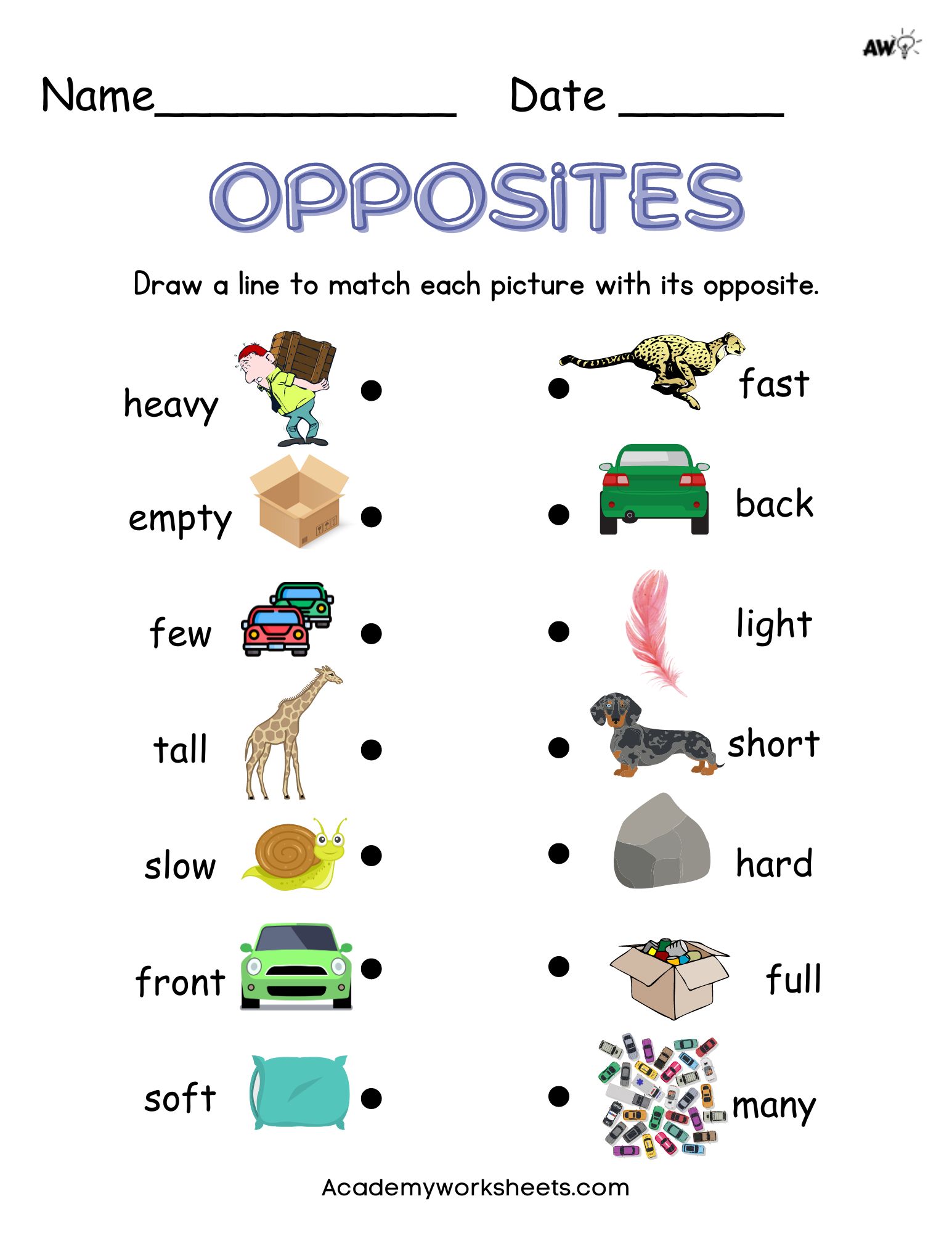

In the kingdom of design and exploiter feel, the conception of simplicity is much historied. However, there are times when the polar of unsubdivided is not just necessary but also good. Complexity, when managed good, can add depth, functionality, and richness to a design. This blog spot will dig into the nuances of complexity in design, exploring when and why it might be the right choice, and how to enforce it efficaciously.
Understanding Complexity in Design
Complexity in intention refers to the comprehension of multiple elements, layers, and interactions that go beyond the basic and straightforward. While ease is frequently praised for its clarity and ease of use, complexity can offer a more immersive and engaging have. The key is to sympathize when and how to use complexity to raise rather than overwhelm the user.
The Benefits of Complexity
Complexity in pattern can offer respective advantages:
- Enhanced Functionality: Complex designs often include more features and options, providing users with greater control and flexibility.
- Depth and Richness: A complex design can create a more piquant and immersive experience, making the exploiter feeling more knotty and invested.
- Unique User Experience: By incorporating intricate details and interactions, a composite pattern can viewpoint out and pass a unique exploiter experience.
When to Use Complexity
While simplicity is much the go to near, there are specific scenarios where the opposite of elementary can be more reserve:
- Advanced Users: For users who are familiar with the system and expect advanced features, a complex design can supply the tools they need.
- Specialized Applications: In fields same information psychoanalysis, scientific research, or professional software, complexity is much essential to handle the intricacies of the task.
- Creative Projects: Designs for originative applications, such as graphic design package or television redaction tools, welfare from complexity to offer a astray range of options and effects.
Implementing Complexity Effectively
To implement complexity efficaciously, count the next strategies:
- Modular Design: Break downward composite interfaces into smaller, realizable modules. This allows users to stress on one prospect at a sentence without smell overwhelmed.
- Clear Hierarchy: Establish a clearly visual hierarchy to scout users through the port. Use size, color, and placement to highlight crucial elements.
- Consistent Navigation: Ensure that pilotage is uniform and intuitive. Users should be able to easily bump their way around the port, still with multiple layers and options.
- Interactive Tutorials: Provide interactive tutorials or tooltips to assistant users understand and navigate the composite features. This can quash the scholarship curvature and brand the design more accessible.
Case Studies: Complexity in Action
Let's explore a few examples where complexity has been successfully implemented:
Adobe Photoshop
Adobe Photoshop is a quality example of a complex innovation that offers a riches of features for professional graphical designers. The interface is packed with tools, menus, and options, but it is unionized in a way that allows users to access what they take quickly. The use of panels, toolbars, and layers helps wangle the complexity, devising it a powerful tool for ripe users.
Microsoft Excel
Microsoft Excel is another application that benefits from complexity. It provides a widely range of functions and formulas for information analysis and visualization. The interface includes multiple tabs, menus, and toolbars, but the reproducible layout and clear labeling help users navigate the complexity. Additionally, Excel offers tutorials and assist resources to assist users in mastering its advanced features.
Final Cut Pro
Final Cut Pro is a pro television redaction package that exemplifies the diametric of simple. It offers a comp set of tools for video redaction, coloring scaling, and sound mix. The interface is designed to handle multiple layers of picture and sound tracks, effects, and transitions. The use of a timeline, media browser, and various panels helps users manage the complexity and centering on their originative oeuvre.
Challenges of Complexity
While complexity can offer many benefits, it also presents challenges:
- Learning Curve: Complex designs frequently have a steeper learning curve, which can be a roadblock for new users.
- Cognitive Load: Too much complexity can overwhelm users, starring to cognitive overburden and defeat.
- Maintenance: Complex designs require more maintenance and updates to ensure all features work seamlessly.
To mitigate these challenges, it's crucial to:
- Provide Comprehensive Documentation: Offer elaborated guides, tutorials, and FAQs to help users understand and pilot the complex features.
- Offer Customization Options: Allow users to customize the port to courting their needs and preferences, reducing cognitive load.
- Regularly Update and Improve: Continuously gather user feedback and make improvements to raise serviceability and performance.
Note: Balancing complexity with usability is essential. Always test your design with real users to identify areas of confusion and make necessary adjustments.
Designing for Different User Levels
When implementing complexity, it's important to consider users at different levels of expertise. Here are some strategies to supply to both beginners and advanced users:
- Progressive Disclosure: Start with a simplified port and gradually reveal more advanced features as users become more familiar with the system.
- Customizable Views: Offer different views or modes that supply to different user levels. for instance, a introductory scene for beginners and an advanced view for experient users.
- Contextual Help: Provide contextual assistant and tooltips that look when users vibrate over or interact with composite features, offering guidance without overwhelming them.
User Testing and Feedback
User examination is crucial when implementing complex designs. It helps place areas of disarray and ensures that the innovation meets the needs of its users. Here are some better practices for user testing:
- Recruit Diverse Users: Include users with dissimilar levels of expertise and backgrounds to get a comprehensive agreement of the design's usability.
- Observe and Listen: Pay near care to how users interact with the design and listen to their feedback. Look for signs of disarray, defeat, or delight.
- Iterate and Improve: Use the feedback to brand reiterative improvements to the innovation, ensuring it becomes more visceral and exploiter friendly over clip.
Here is a table summarizing the key points to moot when implementing complexity in design:
| Consideration | Strategy |
|---|---|
| Modular Design | Break depressed complex interfaces into smaller, manageability modules. |
| Clear Hierarchy | Establish a clear visual hierarchy to templet users through the port. |
| Consistent Navigation | Ensure that navigation is coherent and intuitive. |
| Interactive Tutorials | Provide interactive tutorials or tooltips to help users understand and navigate the complex features. |
| Progressive Disclosure | Start with a simplified interface and gradually expose more advanced features. |
| Customizable Views | Offer different views or modes that cater to unlike user levels. |
| Contextual Help | Provide contextual service and tooltips that look when users interact with complex features. |
to sum, while ease is much the preferent near in design, there are multiplication when the opposite of simple can offer significant benefits. Complexity, when managed well, can provide enhanced functionality, depth, and a unique exploiter experience. By understanding when and how to use complexity, and implementing it effectively, designers can generate powerful and engaging interfaces that fitting the inevitably of ripe users and specialised applications. The key is to counterbalance complexity with usability, ensuring that the design is both usable and user favorable.
Related Terms:
- paired of simplistic
- synonym for simple
- opposite of simple minded
- paired of simple in side
- simple opposite words
- what's the opposite of bare