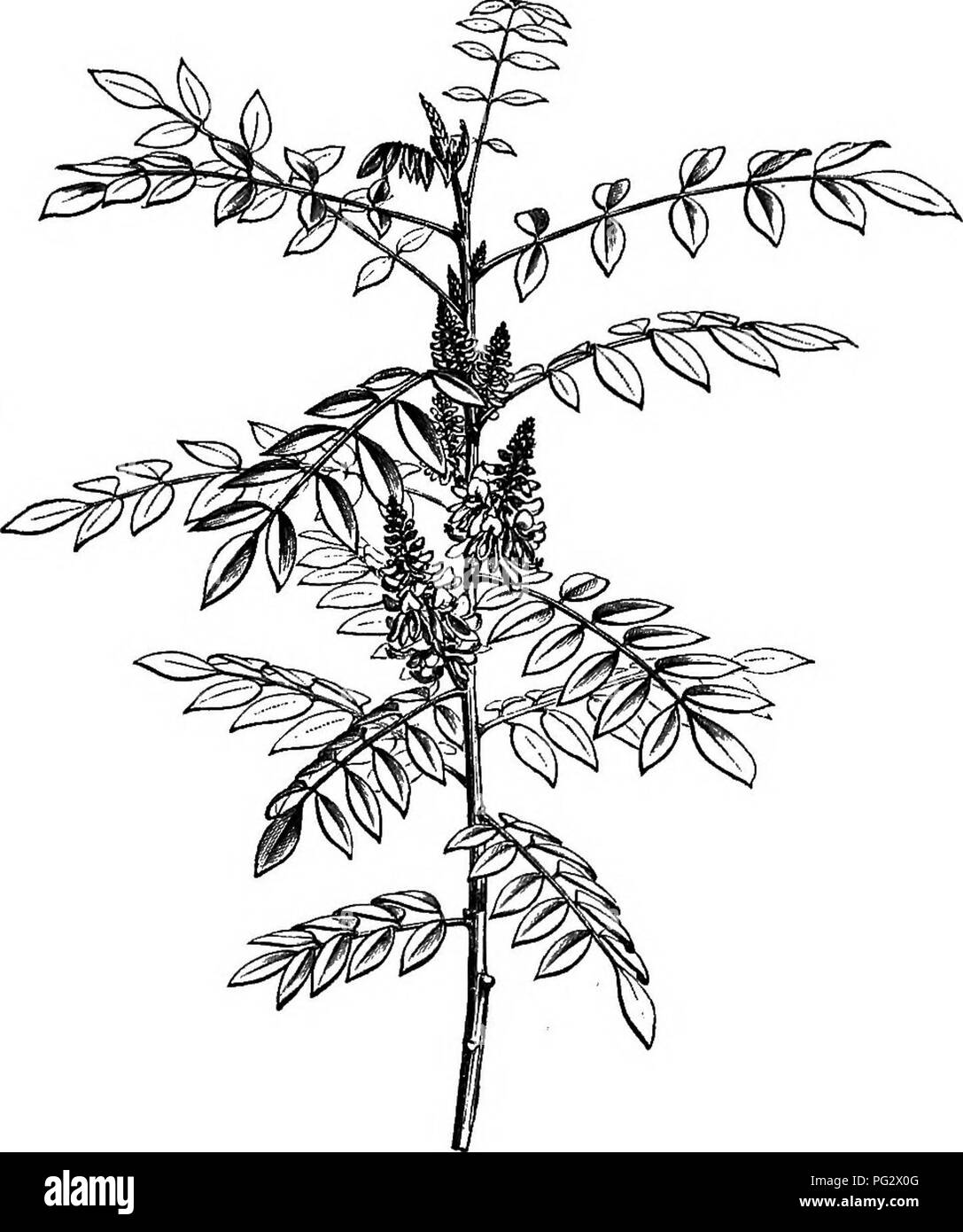

Papilionaceae family plants, also known as the legume or bean family, are a diverse and fascinating group of plants that play a crucial role in ecosystems and agriculture worldwide. These plants are characterized by their unique flower structure, which typically features a large upper petal called the standard, two lateral petals known as the wings, and two lower petals that are fused to form a keel. This distinctive flower shape has earned them the common name "butterfly pea" for some species, as it resembles the shape of a butterfly. The Papilionaceae family includes a wide variety of plants, from small herbs to large trees, and encompasses many economically important crops such as peas, beans, lentils, and soybeans.
Characteristics of Papilionaceae Family Plants
The Papilionaceae family, which is now often referred to as the Fabaceae family, is one of the largest plant families, encompassing over 19,000 species. These plants are known for their ability to fix nitrogen in the soil, a process that enriches the soil and benefits other plants. This nitrogen-fixing capability is due to the presence of symbiotic bacteria in root nodules, which convert atmospheric nitrogen into a form that plants can use. This characteristic makes Papilionaceae family plants invaluable in agriculture and horticulture.
Some of the key characteristics of Papilionaceae family plants include:
- Flower Structure: The flowers typically have five petals, with the standard petal being the largest and most conspicuous. The wings are lateral, and the keel is formed by the two lower petals.
- Leaf Structure: The leaves are usually compound, with leaflets arranged in pairs along a central axis. The leaf arrangement can vary from pinnate to bipinnate.
- Fruit: The fruits are usually pods, which can be straight or coiled, and contain the seeds. The pods can be dehiscent, splitting open to release the seeds, or indehiscent, remaining closed until the seeds are dispersed.
- Nitrogen Fixation: Many species in this family have the ability to fix nitrogen in the soil through symbiotic relationships with bacteria.
Economic Importance of Papilionaceae Family Plants
Papilionaceae family plants are of immense economic importance due to their role in agriculture, horticulture, and medicine. Many species are cultivated for their edible seeds, which are rich in protein and other nutrients. Some of the most important crops in this family include:
- Soybeans (Glycine max): A major source of protein and oil, soybeans are used in a wide range of food products, including tofu, soy milk, and soy sauce.
- Peas (Pisum sativum): Peas are a popular vegetable and are also used in animal feed and as a cover crop.
- Beans (Phaseolus vulgaris): Beans are a staple food in many cultures and are used in a variety of dishes, from soups and stews to salads and side dishes.
- Lentils (Lens culinaris): Lentils are a nutritious legume used in many cuisines around the world. They are a good source of protein, fiber, and minerals.
- Chickpeas (Cicer arietinum): Chickpeas are used in a variety of dishes, including hummus, curries, and salads. They are also a good source of protein and fiber.
In addition to their culinary uses, many Papilionaceae family plants have medicinal properties. For example, the bark of the black locust tree (Robinia pseudoacacia) has been used traditionally to treat various ailments, including fever, coughs, and skin conditions. The roots of the licorice plant (Glycyrrhiza glabra) are used in herbal medicine to treat digestive issues and respiratory problems.
Ecological Significance of Papilionaceae Family Plants
Papilionaceae family plants play a vital role in ecosystems by improving soil fertility, providing habitat and food for wildlife, and supporting biodiversity. Their ability to fix nitrogen in the soil makes them valuable in agroforestry systems, where they are often used as cover crops or in rotation with other crops to enhance soil health. Additionally, many species in this family are important sources of nectar and pollen for bees and other pollinators, contributing to the health of pollinator populations.
Some of the ecological benefits of Papilionaceae family plants include:
- Soil Improvement: The nitrogen-fixing ability of these plants enriches the soil, making it more fertile and productive.
- Habitat and Food: Many species provide habitat and food for a variety of wildlife, including birds, insects, and mammals.
- Biodiversity Support: By supporting pollinators and other beneficial insects, these plants contribute to the overall health and diversity of ecosystems.
Cultivation and Care of Papilionaceae Family Plants
Cultivating Papilionaceae family plants can be rewarding, whether for their ornamental value, culinary uses, or ecological benefits. Here are some general guidelines for growing these plants:
- Soil Preparation: Most Papilionaceae family plants prefer well-drained soil with a pH between 6.0 and 7.0. Adding compost or well-rotted manure can improve soil fertility and structure.
- Planting: Sow seeds directly into the ground or start them indoors and transplant them later. The optimal planting depth and spacing will vary depending on the species.
- Watering: Water regularly, especially during dry periods, to ensure the plants have enough moisture. However, avoid overwatering, as this can lead to root rot.
- Fertilization: While these plants can fix their own nitrogen, they still benefit from occasional fertilization with a balanced fertilizer. Avoid over-fertilizing with nitrogen, as this can inhibit nitrogen fixation.
- Pest and Disease Management: Monitor plants for pests and diseases, and take appropriate measures to control them. Common pests include aphids, beetles, and caterpillars, while diseases can include root rot, powdery mildew, and leaf spots.
Some popular Papilionaceae family plants for cultivation include:
| Common Name | Scientific Name | Uses |
|---|---|---|
| Sweet Pea | Lathyrus odoratus | Ornamental, cut flowers |
| Wisteria | Wisteria spp. | Ornamental, climbing vine |
| Lupine | Lupinus spp. | Ornamental, soil improvement |
| Clover | Trifolium spp. | Cover crop, forage, soil improvement |
| Alfalfa | Medicago sativa | Forage, soil improvement |
🌱 Note: Always research the specific needs of the Papilionaceae family plant you are cultivating, as requirements can vary significantly between species.
Medicinal Uses of Papilionaceae Family Plants
Many plants in the Papilionaceae family have been used traditionally for their medicinal properties. Some of the most notable examples include:
- Licorice (Glycyrrhiza glabra): The roots of licorice are used to treat digestive issues, respiratory problems, and skin conditions. Licorice root contains glycyrrhizin, a compound with anti-inflammatory and antiviral properties.
- Black Locust (Robinia pseudoacacia): The bark of the black locust tree has been used traditionally to treat fever, coughs, and skin conditions. It contains compounds with antimicrobial and anti-inflammatory properties.
- Red Clover (Trifolium pratense): Red clover is used in herbal medicine to treat menopausal symptoms, respiratory problems, and skin conditions. It contains isoflavones, which have estrogen-like effects.
- Fenugreek (Trigonella foenum-graecum): Fenugreek seeds are used to treat digestive issues, respiratory problems, and to stimulate milk production in nursing mothers. They contain compounds with anti-inflammatory and antioxidant properties.
While these plants have been used traditionally for their medicinal properties, it is important to consult with a healthcare provider before using them for medicinal purposes. Some plants may interact with medications or have side effects, and proper dosage and preparation are crucial for safety and effectiveness.
In addition to their medicinal uses, many Papilionaceae family plants have been used in traditional and modern cosmetics. For example, the seeds of the fenugreek plant are used in hair care products to promote hair growth and improve hair texture. The roots of the licorice plant are used in skin care products to soothe and moisturize the skin.
Challenges and Conservation of Papilionaceae Family Plants
Despite their many benefits, Papilionaceae family plants face several challenges, including habitat loss, climate change, and overharvesting. Many species are threatened or endangered due to these factors, and conservation efforts are crucial to protect these valuable plants. Some of the key challenges and conservation strategies include:
- Habitat Loss: Deforestation, urbanization, and agricultural expansion have led to the destruction of many habitats where Papilionaceae family plants grow. Conservation efforts focus on protecting and restoring these habitats to ensure the survival of these plants.
- Climate Change: Changes in temperature, precipitation, and other climatic factors can affect the growth and distribution of Papilionaceae family plants. Conservation efforts aim to mitigate the impacts of climate change and adapt to changing conditions.
- Overharvesting: Some species are overharvested for their medicinal, culinary, or ornamental value, leading to declines in their populations. Sustainable harvesting practices and regulations are essential to prevent overharvesting and ensure the long-term survival of these plants.
Conservation efforts for Papilionaceae family plants include:
- Protected Areas: Establishing protected areas, such as national parks and nature reserves, to safeguard habitats where these plants grow.
- Ex Situ Conservation: Conserving plants in botanical gardens, seed banks, and other ex situ facilities to preserve genetic diversity and ensure the survival of threatened species.
- Community Involvement: Engaging local communities in conservation efforts, including sustainable harvesting practices, reforestation, and education programs.
- Research and Monitoring: Conducting research and monitoring programs to better understand the ecology, distribution, and threats to Papilionaceae family plants, and to develop effective conservation strategies.
By addressing these challenges and implementing conservation strategies, we can help protect the diverse and valuable Papilionaceae family plants for future generations.
Papilionaceae family plants are a fascinating and important group of plants with a wide range of uses and benefits. From their role in agriculture and medicine to their ecological significance, these plants play a crucial role in our ecosystems and societies. By understanding their characteristics, cultivation needs, and conservation challenges, we can appreciate and protect these valuable plants for future generations.
Related Terms:
- fabaceae papillionaceae
- meso papilionoideae plant examples
- papilionoid legumes
- papilionaceous flowers
- fabaceae presentation
- fabaceae papilionaceae family