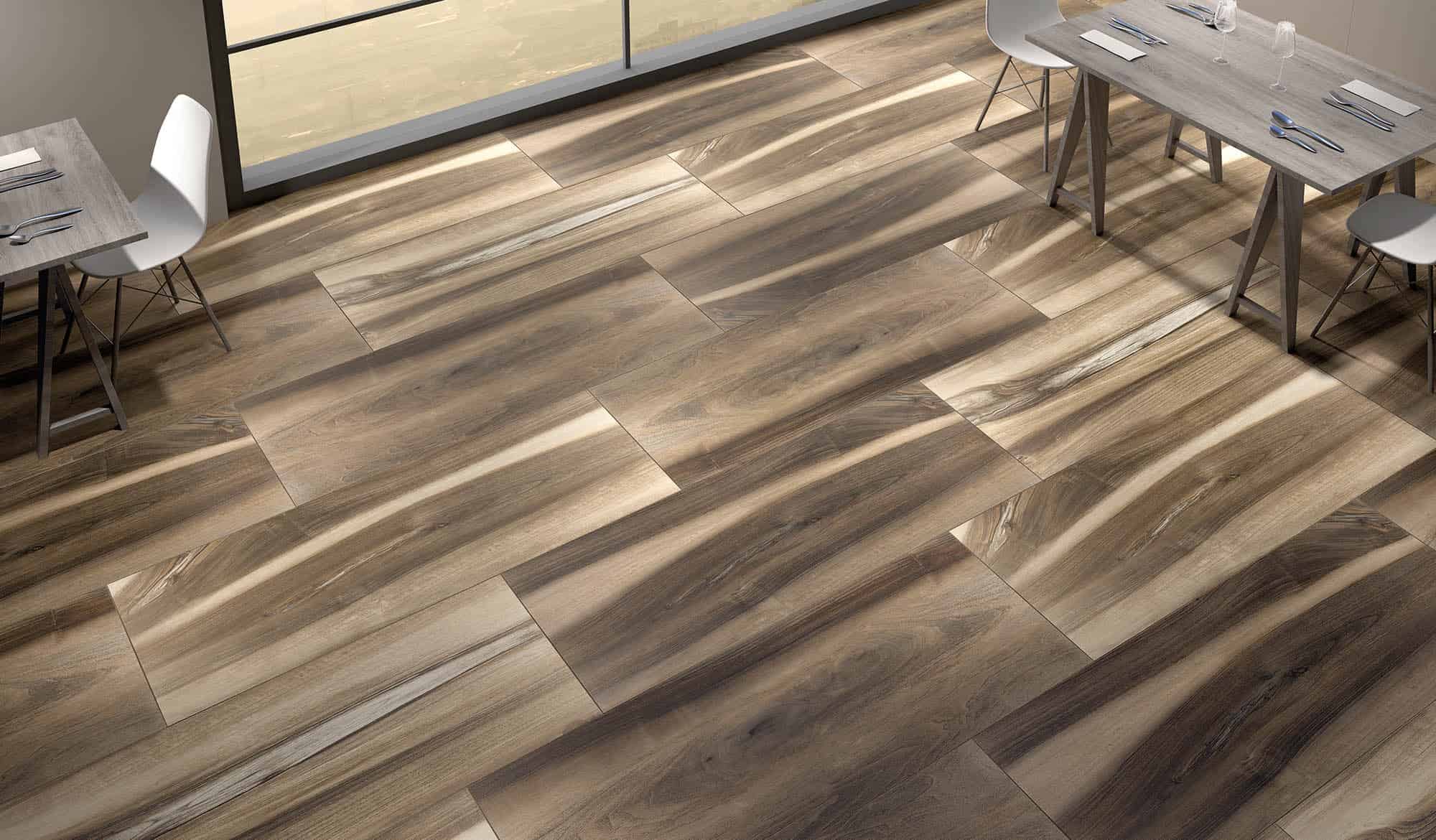

Decorating with tile floors offers a timeless way to elevate home style, blending functionality with aesthetic appeal. Whether you're renovating a kitchen, updating a bathroom, or refreshing a hallway, tiles provide durability, versatility, and endless design possibilities. The right approach transforms ordinary spaces into showcases of elegance—where every grout line and mosaic pattern tells a story. This guide explores how to decorate with tile floors for home style, offering practical steps, material insights, and styling tips that harmonize beauty with everyday use.
Choosing the Right Tiles for Your Space
Selecting the perfect tile begins with understanding your room’s purpose and existing design language. Different tile types offer unique textures, colors, and finishes that influence the overall mood.
- Ceramic tiles are budget-friendly and widely available, ideal for high-traffic areas like kitchens and bathrooms.
- Porcelain tiles boast superior durability and water resistance, making them excellent for wet environments.
- Natural stone tiles such as marble, travertine, or slate add warmth and luxury but require more maintenance.
- Glass tiles introduce reflective light and modern flair, perfect for accent walls or backsplashes.
- Mosaic tiles allow intricate patterns and artistic expression, especially effective in feature zones like fireplaces or entryways.
When choosing color and scale, consider the room’s lighting—lighter tones brighten small spaces, while deeper hues create intimacy in large rooms. A cohesive palette ensures visual harmony, whether through monochrome schemes or carefully balanced accents.
| Tile Type | Best Use | Key Benefits |
|---|---|---|
| Ceramic | Kitchens, bathrooms | Affordable, easy to install |
| Porcelain | Wet areas, outdoor spaces | Water-resistant, durable |
| Natural Stone | Luxury bathrooms, statement floors | Unique texture, timeless elegance |
| Glass | Accent walls, backsplashes | Reflective, modern shine |
| Mosaic | Feature walls, decorative zones | Artistic detail, custom patterns |
| Ceramic | Kitchens, bathrooms | Affordable, easy to install |
| Porcelain | Wet areas, outdoor spaces | Water-resistant, durable |
| Natural Stone | Luxury bathrooms, statement floors | Unique texture, timeless elegance |
| Glass | Accent walls, backsplashes | Reflective, modern shine |
| Mosaic | Feature walls, decorative zones | Artistic detail, custom patterns |
Before laying tiles, assess your floor’s condition—ensure it’s clean, dry, and structurally sound. Uneven surfaces or moisture can compromise adhesion and longevity. Proper preparation sets the foundation for a flawless finish.
Design Principles for Tile Floor Harmony
Creating a visually balanced tile floor involves thoughtful layout, proportion, and contrast. Key principles include: - Balanced Patterns: Alternating small and large tiles prevents monotony; repeating a dominant tile size anchors the space. - Proportion Matters: In large rooms, opt for larger tiles to avoid visual clutter; in small spaces, smaller tiles expand perceived size. - Grout Line Control: Narrow grout lines (3–6mm) enhance continuity and modernity, while wider lines add texture and definition. - Edge Treatment: Mitered corners or bullnose tiles soften transitions and elevate professionalism. - Focal Points: Use contrasting tiles or patterns to draw attention to entryways, fireplaces, or focal walls. These elements work together to transform tile floors from mere flooring into intentional design statements.Note: Always measure twice and cut once—precision in cutting ensures clean edges and professional results.
Installation Techniques for Durability and Style
Proper tile installation is critical for both appearance and longevity. Follow these essential steps:
- Prepare the subfloor thoroughly—clean, level, and repair cracks or uneven spots.
- Apply a suitable adhesive based on tile type and surface; use a trowel to spread evenly.
- Lay tiles starting from a central point to maintain symmetry, using spacers for uniform grout lines.
- Cut tiles with a wet saw or tile cutter, aligning cuts to minimize waste and ensure fit.
- Allow proper curing time before grouting to prevent movement.
- Grout with a flexible, water-resistant compound, wiping excess immediately for a clean finish.
Following these steps ensures tiles adhere securely and resist wear over time.
Note: Protect adjacent surfaces with drop cloths and masking tape during installation to avoid dust and damage.
Enhancing Style Through Accessories and Lighting
Tile floors gain character from complementary accessories and thoughtful lighting. Consider these enhancements:
- Area Rugs: Soft, textured rugs define zones and soften hard surfaces—ideal for entryways or seating areas.
- Trim and Moldings: Wood, metal, or ceramic borders frame tile edges, adding refinement and preventing chipping.
- Lighting Placement: Recessed or track lighting highlights tile patterns and creates ambiance, especially in dark corners.
- Storage Solutions: Built-in cabinets or floating shelves integrate seamlessly with tile, maintaining clean lines.
- Color Accents: Pillows, artwork, or decorative objects introduce personality without overwhelming the space.
These details elevate tile floors from functional surfaces to curated design elements.
Note: Balance bold accessories with understated tiles to maintain harmony and avoid visual overload.
Maintenance Tips for Lasting Beauty
Even the most elegant tile floors require care to retain their luster. Regular cleaning with pH-neutral solutions prevents stains and grime buildup. Avoid abrasive cleaners that scratch surfaces. Seal porous tiles—especially natural stone—every 1–3 years to block moisture and discoloration. Inspect grout annually for mold or discoloration, cleaning gently with vinegar or specialized grout removers. Promptly repair loose or chipped tiles to prevent further damage and maintain safety.
Note: Consistent upkeep extends tile life by decades, preserving both value and style.
The journey of decorating with tile floors is one of intention and craftsmanship. By selecting the right materials, applying smart design principles, mastering installation techniques, and committing to ongoing care, every home becomes a reflection of personal taste and enduring quality. Tile floors are more than surfaces—they are stories written in texture, color, and light.
Related Terms:
- fresh tile flooring ideas
- decorative floor tile designs
- tile floor design ideas
- decorative floor tile patterns
- bathroom tile flooring ideas
- best floor tile designs