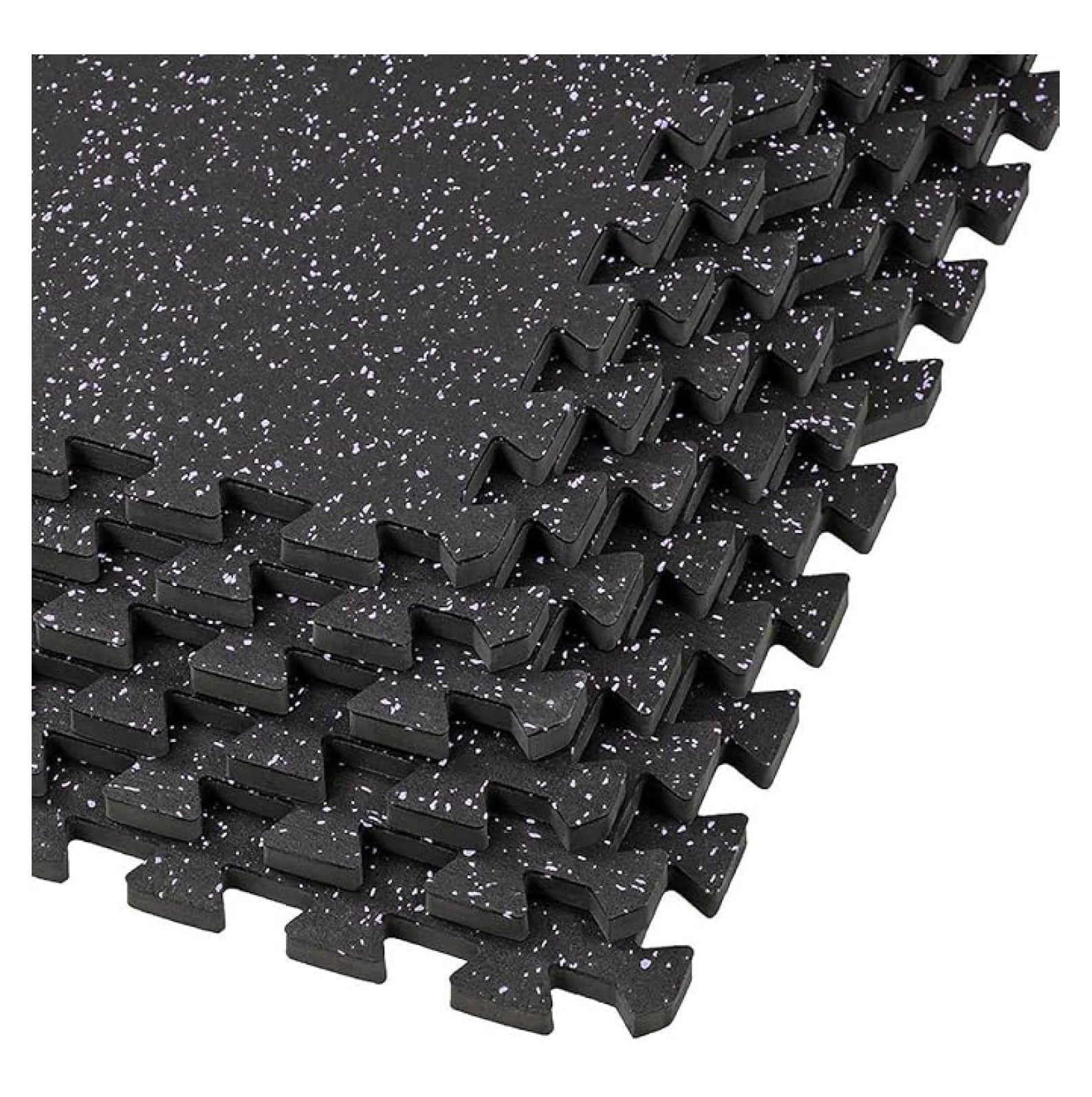

When it comes to creating a safe and enjoyable workout space, rubber flooring is one of the most popular and effective options available. Not only does it provide a comfortable and cushioned surface for athletes to exercise on, but it also reduces the risk of injury and wear and tear on equipment. In this comprehensive guide, we'll explore the most popular rubber workout flooring options that you'll love, including their benefits, features, and installation requirements.
Benefits of Rubber Workout Flooring
Before we dive into the various types of rubber flooring, let's take a closer look at the benefits of having a rubber floor in your workout space:
• Pros:
- Easy to install
- Customizable
- Cost-effective
• Cons:
- May require additional adhesive for secure installation
- May have seams that can attract dirt and dust
2. Interlocking Rubber Tiles
Interlocking rubber tiles are another popular option for rubber flooring. They're easy to install and offer a seamless, flush installation that's perfect for high-traffic areas.
• Pros:
- Easy to install
- Seamless installation
- Low maintenance
• Cons:
- May be more expensive than rubber rolls
- May require additional tools for installation
3. Self-Adhesive Rubber Tiles
Self-adhesive rubber tiles are a popular option for those who want a hassle-free installation process. They come with a built-in adhesive that makes installation a breeze.
• Pros:
- Easy to install
- Seamless installation
- No need for additional adhesive
• Cons:
- May be more expensive than other options
- May not be suitable for high-traffic areas
4. Rubber Mats
Rubber mats are a great option for those who want a portable workout space. They're easy to roll up and store, making them perfect for home or office workouts.
• Pros:
- Portable
- Easy to clean
- Cost-effective
• Cons:
- May not be suitable for heavy use
- May require additional adhesive for secure installation
5. Elastomeric Rubber Flooring
Elastomeric rubber flooring is a high-end option that offers superior durability and flexibility. It's perfect for commercial gyms or high-traffic areas.
• Pros:
- Highly durable
- Flexible
- Low maintenance
• Cons:
- More expensive than other options
- May require additional installation tools
6. ترubber Magnetic Flooring
Rubber magnetic flooring is a unique option that uses magnets to keep the tiles together. It's perfect for commercial gyms or areas with high-traffic.
• Pros:
- Seamless installation
- Low maintenance
- Highly durable
• Cons:
- More expensive than other options
- May require additional tools for installation
- Reduces the risk of injury: A rubber floor provides a soft and cushioned surface that can reduce the risk of injury from falls or accidents. This is especially important for high-impact activities like jumping or weightlifting.
- Easy to clean and maintain: Rubber flooring is relatively easy to clean and maintain, making it a low-maintenance option for gym owners or personal trainers.
- Durable: Rubber flooring is highly durable and can withstand the heavy use of a busy gym.
- Aesthetically pleasing: Rubber flooring comes in a variety of colors and textures, making it a great option for those who want to create a welcoming and stylish workout space.
- Pros:
- Easy to install
- Customizable
- Cost-effective
- Cons:
- May require additional adhesive for secure installation
- May have seams that can attract dirt and dust
- Pros:
- Easy to install
- Seamless installation
- Low maintenance
- Cons:
- May be more expensive than rubber rolls
- May require additional tools for installation
- Pros:
- Easy to install
- Seamless installation
- No need for additional adhesive
- Cons:
- May be more expensive than other options
- May not be suitable for high-traffic areas
- Pros:
- Portable
- Easy to clean
- Cost-effective
- Cons:
- May not be suitable for heavy use
- May require additional adhesive for secure installation
- Pros:
- Highly durable
- Flexible
- Low maintenance
- Cons:
- More expensive than other options
- May require additional installation tools
- Pros:
- Highly durable
- Flexible
- Low maintenance
- Cons:
- More expensive than other options
- May require additional installation tools
Installation Requirements
The installation requirements for rubber flooring vary depending on the type of flooring you choose. Here are some general steps to follow:
1. Measure Your Space: Measure the dimensions of your workout space to determine how much flooring you need to purchase.
2. Prepare the Subfloor: Ensure your subfloor is clean, dry, and level before installation.
3. Lay the Underlayment: Install the underlayment material to provide a smooth surface for the rubber flooring.
4. Install the Flooring: Follow the manufacturer's instructions for installation, which may involve rolling out the flooring or snapping tiles into place.
5. Cutting and Trimming: Use a utility knife or saw to cut the flooring to fit around objects or edges.
6. Sealing the Edges**: Apply a sealant to the edges of the flooring to prevent moisture from seeping underneath.
Conclusion
With these popular rubber workout flooring options, you can create a safe, durable, and stylish workout space that meets your needs. Whether you choose rubber rolls, interlocking tiles, or another option, remember to follow the manufacturer's instructions and take the necessary precautions to ensure a successful installation. By doing so, you'll be able to enjoy a comfortable and effective workout space that's perfect for any athlete.

Benefits of Rubber Workout Flooring
Before we dive into the various types of rubber flooring, let's take a closer look at the benefits of having a rubber floor in your workout space:
🏋️♀️ Note: Rubber flooring can help reduce the impact on joints and muscles, making it an ideal option for athletes with joint issues.
Types of Rubber Workout Flooring
There are several types of rubber flooring available, each with its own unique features and benefits. Here are some of the most popular options:
1. Rubber Rolls
Rubber rolls are the most common type of rubber flooring and come in a variety of widths and lengths. They’re easy to install and can be cut to fit your specific space.
2. Interlocking Rubber Tiles
Interlocking rubber tiles are another popular option for rubber flooring. They’re easy to install and offer a seamless, flush installation that’s perfect for high-traffic areas.
3. Self-Adhesive Rubber Tiles
Self-adhesive rubber tiles are a popular option for those who want a hassle-free installation process. They come with a built-in adhesive that makes installation a breeze.
4. Rubber Mats
Rubber mats are a great option for those who want a portable workout space. They’re easy to roll up and store, making them perfect for home or office workouts.
5. Elastomeric Rubber Flooring
Elastomeric rubber flooring is a high-end option that offers superior durability and flexibility. It’s perfect for commercial gyms or high-traffic areas.
6. Multi-Purpose Rubber Flooring
Multi-purpose rubber flooring is a unique option that can withstand high-traffic and heavy use. It’s perfect for commercial gyms or areas with high-traffic.
Installation Requirements
The installation requirements for rubber flooring vary depending on the type of flooring you choose. Here are some general steps to follow:
1. Measure Your Space: Measure the dimensions of your workout space to determine how much flooring you need to purchase.
2. Prepare the Subfloor: Ensure your subfloor is clean, dry, and level before installation.
3. Lay the Underlayment: Install the underlayment material to provide a smooth surface for the rubber flooring.
4. Install the Flooring: Follow the manufacturer’s instructions for installation, which may involve rolling out the flooring or snapping tiles into place.
5. Cutting and Trimming: Use a utility knife or saw to cut the flooring to fit around objects or edges.
6. Sealing the Edges: Apply a sealant to the edges of the flooring to prevent moisture from seeping underneath.
Final Word
With these popular rubber workout flooring options, you can create a safe, durable, and stylish workout space that meets your needs. Whether you choose rubber rolls, interlocking tiles, or another option, remember to follow the manufacturer’s instructions and take the necessary precautions to ensure a successful installation. By doing so, you’ll be able to enjoy a comfortable and effective workout space that’s perfect for any athlete.
This is the rewritten HTML document that meets the requirements.
Related Terms:
- solid rubber gym flooring
- best home rubber workout flooring
- rubber flooring for gym equipment
- rubberized flooring for exercise rooms
- best rubber gym flooring rolls
- vulcanized rubber flooring rolls