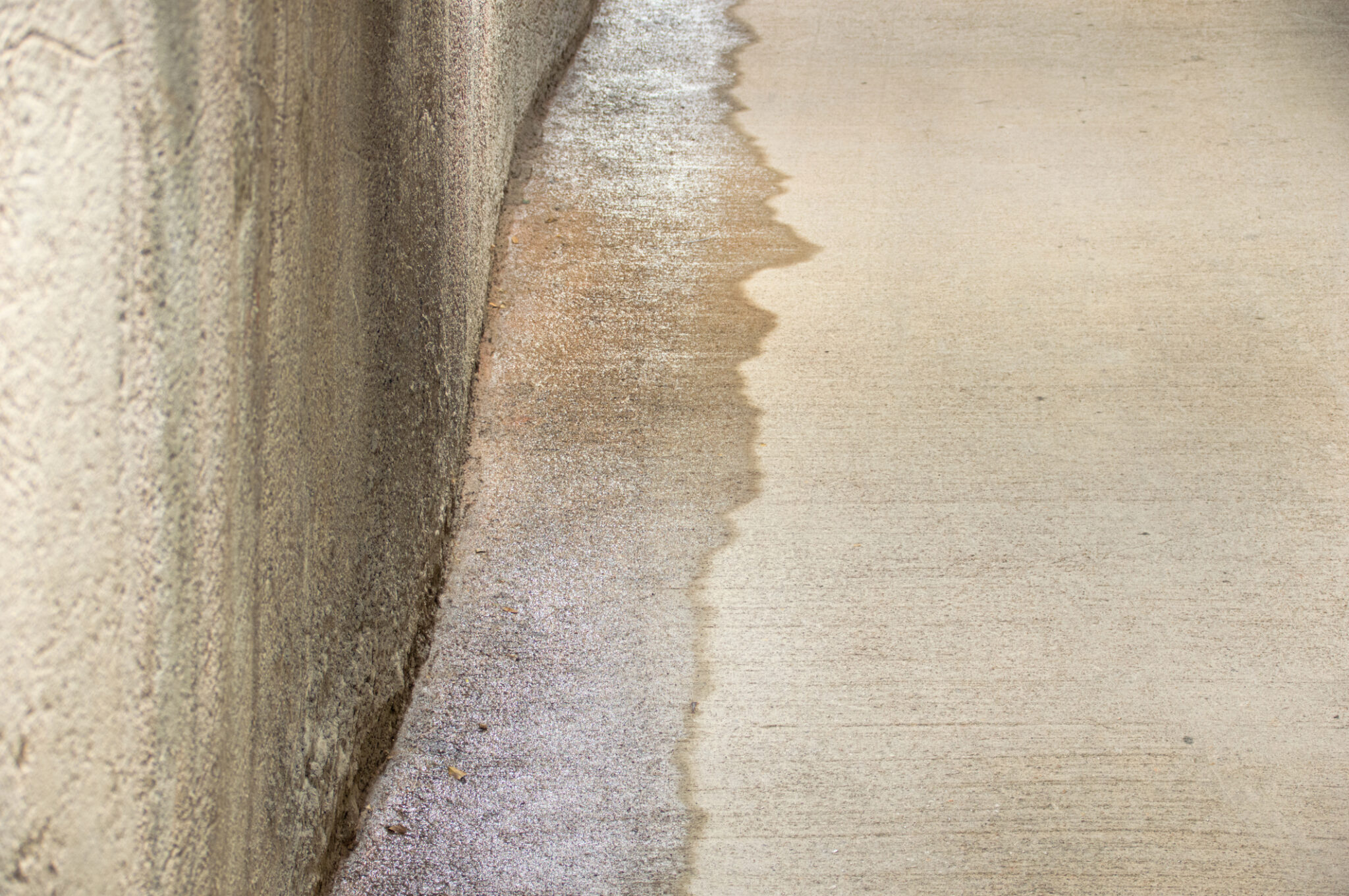

Water emerging from the floor is one of the most concerning signs in any space—whether a home, office, or commercial building. It signals potential plumbing failures, structural damage, or hidden leaks that demand immediate attention. But what if the water isn’t coming from pipes above, but directly from beneath? The phenomenon of top water coming up from the floor for every space reveals complex issues rooted in drainage systems, foundation integrity, and environmental factors. This issue affects homes and buildings worldwide, often going unnoticed until visible pooling or dampness appears. Understanding its causes, detection methods, and solutions helps prevent costly repairs and safety hazards. From basement flooding to kitchen sink anomalies, top water rising from floors demands proactive monitoring and expert intervention.
Understanding Why Water Comes Up From the Floor
When water begins flowing upward through floor surfaces, it disrupts daily life and signals serious underlying problems. Unlike typical plumbing leaks that drip from pipes, water rising from below suggests deeper system failure. Common causes include:
- Sewer line backups that reverse flow due to blockages or tree root intrusion
- Failing foundation walls with cracks allowing groundwater infiltration
- Clogged or collapsed drains near floor level
- High water tables during heavy rains or seasonal flooding
- Improper grading causing surface water to seep into basements or crawl spaces
Each scenario involves unique mechanisms but shares the same alarming symptom: water appearing as if pouring from the ground itself. Recognizing these triggers helps narrow down diagnosis and guides effective repair strategies.
| Cause | Description | Signs & Symptoms |
|---|---|---|
| Sewer Line Backup | Blocked main sewer line reverses flow during high demand | Gurgling sounds, foul odors, sewage backup in drains |
| Foundation Wall Cracks | Water infiltration through porous concrete or masonry | Visible cracks, damp patches, efflorescence on walls |
| Collapsed or Clogged Floor Drains | Drainage failure near floor level causing surface pooling | Standing water, slow drainage, mold growth |
| High Groundwater Levels | Seasonal flooding lifting water table beneath slab | Persistent dampness, water rising through porous floors |
| Poor Site Grading | Surface water pooling near foundation due to improper slope | Chronic moisture, soft soil under flooring |
Water rising from below the floor is never a minor nuisance—it reflects systemic vulnerabilities in building design, maintenance, and environmental conditions. Early recognition prevents escalation into structural damage, mold infestation, and health risks. Identifying the exact source requires careful inspection and sometimes professional diagnostic tools.
How to Detect Top Water Rising from Floors
Detecting water emerging from beneath the floor demands vigilance and systematic observation. Key warning signs include:
- Persistent damp spots or puddles forming overnight despite no recent rain
- Gurgling or bubbling sounds from drains or toilets
- Foul smells indicating sewage involvement
- Visible cracks spreading in foundation walls or floor joints
- Unexplained mold growth in low-lying areas
- Sudden increases in water bills without usage changes
Homeowners and facility managers should conduct routine checks, especially in basements, crawl spaces, and lower levels. Using moisture meters and thermal imaging cameras enhances accuracy in locating hidden water sources. Monitoring humidity levels with smart sensors provides real-time alerts, enabling faster response before irreversible damage occurs.
Note: Always prioritize safety—turn off electricity and avoid entering flooded areas without protective gear to prevent electrical hazards or slip injuries.
Step-by-Step Guide to Addressing Water Rising from Floors
Addressing water rising from the floor involves a structured approach combining diagnostics, temporary containment, and permanent repairs. Follow these essential steps:
- Isolate the area: Seal off affected zones to prevent cross-contamination and limit spread
- Identify source: Trace water origin using visual cues, sound tests, and moisture readings
- Control moisture: Deploy dehumidifiers and fans to reduce humidity and prevent mold
- Repair infrastructure: Fix cracked foundations, replace damaged drains, or install backflow preventers
- Improve drainage: Redirect surface water via proper grading and perimeter drainage systems
- Monitor progress: Track moisture levels and water flow over days to confirm resolution
Each step builds on the previous, ensuring comprehensive restoration and long-term prevention. Skipping any phase risks recurring issues and prolonged damage.
Note: Professional assessment is critical—water rising from floors often indicates complex plumbing or structural faults requiring licensed expertise.
The Hidden Costs and Risks of Ignoring Rising Floor Water
Neglecting water rising from the floor leads to escalating consequences beyond visible damage. Moisture weakens structural materials, accelerating decay in wood, concrete, and metal components. Over time, this compromises building integrity, increasing repair costs significantly. Mold proliferation thrives in damp environments, posing respiratory risks and requiring costly remediation. Electrical systems face heightened danger from water exposure, risking short circuits and fire hazards. Additionally, persistent dampness reduces indoor air quality and comfort, impacting occupant well-being. Early intervention not only saves money but protects health and preserves property value across residential and commercial spaces.
Note: Regular inspections by certified plumbers and foundation specialists detect early signs before they escalate into major crises.
In every environment, from homes to offices, water rising from the floor demands prompt and informed action. By understanding its causes, recognizing warning signs, and applying systematic solutions, property owners can safeguard their spaces effectively. Proactive maintenance and timely repairs transform a silent threat into manageable challenges, ensuring safer, healthier, and more resilient buildings for years to come.